Binance is the world’s largest cryptocurrency exchange by trading volume, offering a platform for buying, selling, and trading digital assets like Bitcoin, Ethereum, and thousands of altcoins. Founded in 2017 by Changpeng Zhao, Binance has grown into a global ecosystem that includes a spot exchange, futures trading, staking, NFTs, and its own blockchain (BNB Smart Chain).
To use Binance, you first need to create an account. Visit the Binance website or download the mobile app. Click “Register” and enter your email or phone number. Set a strong password and complete the verification process. For full access to deposits, withdrawals, and higher trading limits, you must complete Identity Verification (KYC) by uploading a government-issued ID and a selfie. This step is mandatory in most regions due to regulatory requirements.
Once your account is verified, you can fund it. Go to “Wallet” and then “Fiat and Spot.” Click “Deposit” and choose a currency (e.g., USD, EUR) or a cryptocurrency. For fiat deposits, you can use a bank transfer, credit/debit card, or third-party payment services like Simplex or Banxa. If you already own crypto, you can deposit it by copying your Binance deposit address and sending funds from another wallet or exchange.
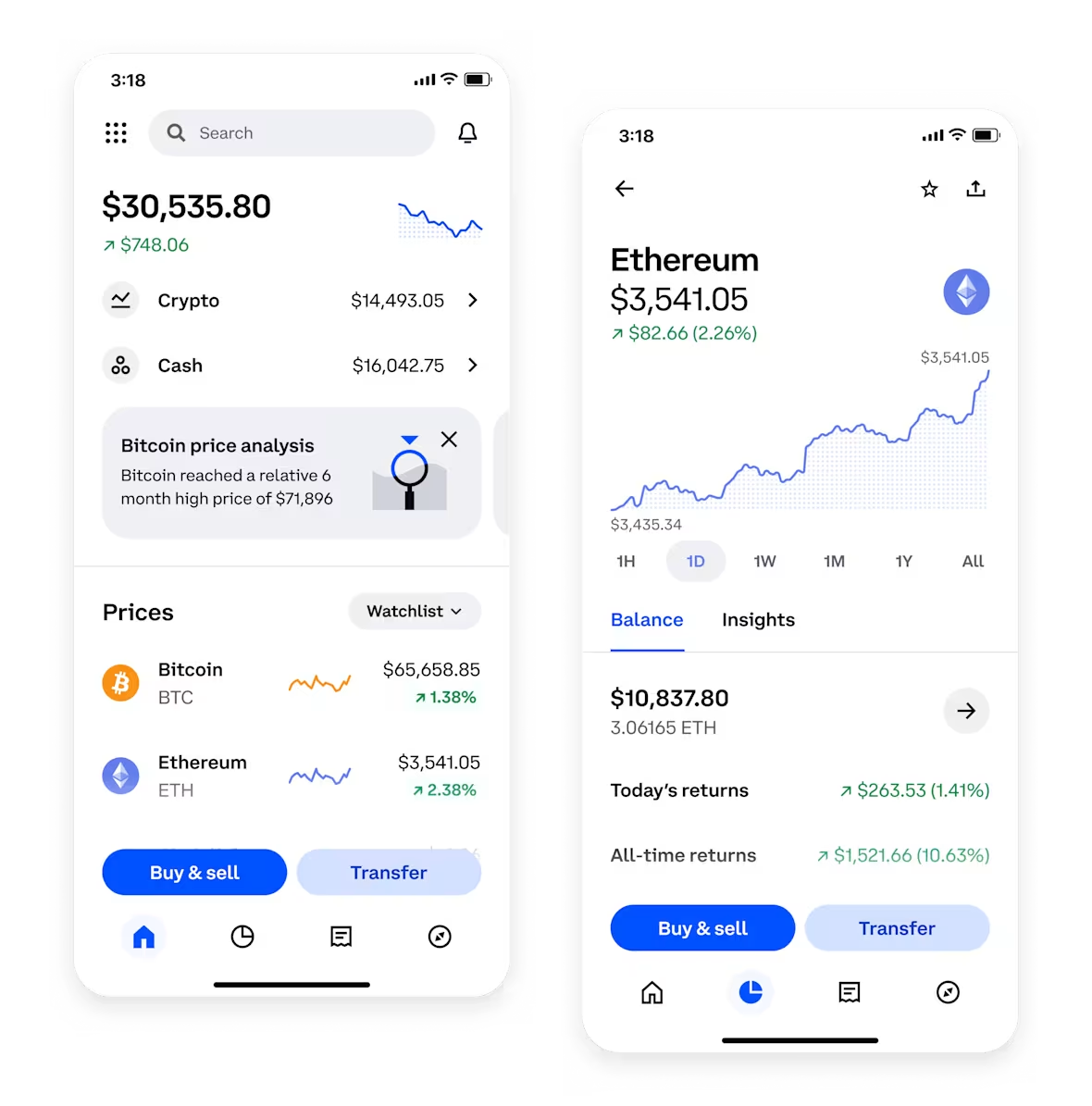
After funding, you can start trading. The simplest way for beginners is to use the “Buy Crypto” feature. Select the fiat currency you deposited, choose the cryptocurrency you want (e.g., BTC), and enter the amount. Binance will show the current market price and any fees. Confirm the purchase, and the crypto will appear in your Spot Wallet. For more advanced users, Binance offers a classic trading interface with limit orders, market orders, and stop-limit orders. You can trade on spot markets, margin markets, or futures markets, but beginners should stick to spot trading to minimize risk.
Beyond trading, Binance provides other useful tools. You can use “Earn” to stake cryptocurrencies for interest, participate in savings accounts, or launchpool new tokens. The “Convert” feature allows instant swaps between assets without order book depth. The “P2P” marketplace lets you trade directly with other users using bank transfers or e-wallets, often with zero fees.
Security is critical when using Binance. Enable Two-Factor Authentication (2FA) via Google Authenticator or SMS. Use a strong, unique password and consider whitelisting withdrawal addresses. Avoid clicking on phishing links—always double-check the URL: binance.com (not binance.us or binance.co). For large holdings, use the “Cold Wallet” or transfer assets to a hardware wallet like Ledger or Trezor.
If you encounter issues, Binance has a 24/7 customer support chat and an extensive Help Center with articles on fees, trading rules, and common problems. The platform also has a community forum and social media channels for updates.
In summary, Binance is a powerful yet beginner-friendly exchange. Start with a verified account, deposit funds via card or bank, use the Buy Crypto button for simple purchases, and explore advanced features only when you feel comfortable. Always prioritize security and educate yourself on the risks of cryptocurrency volatility before trading.